How rot is repaired
The Repair Care system
Paul repairs rot with the Repair Care resin system, made for exterior joinery and widely used on historic and listed buildings.
Why resin
Save the timber, not just the window.
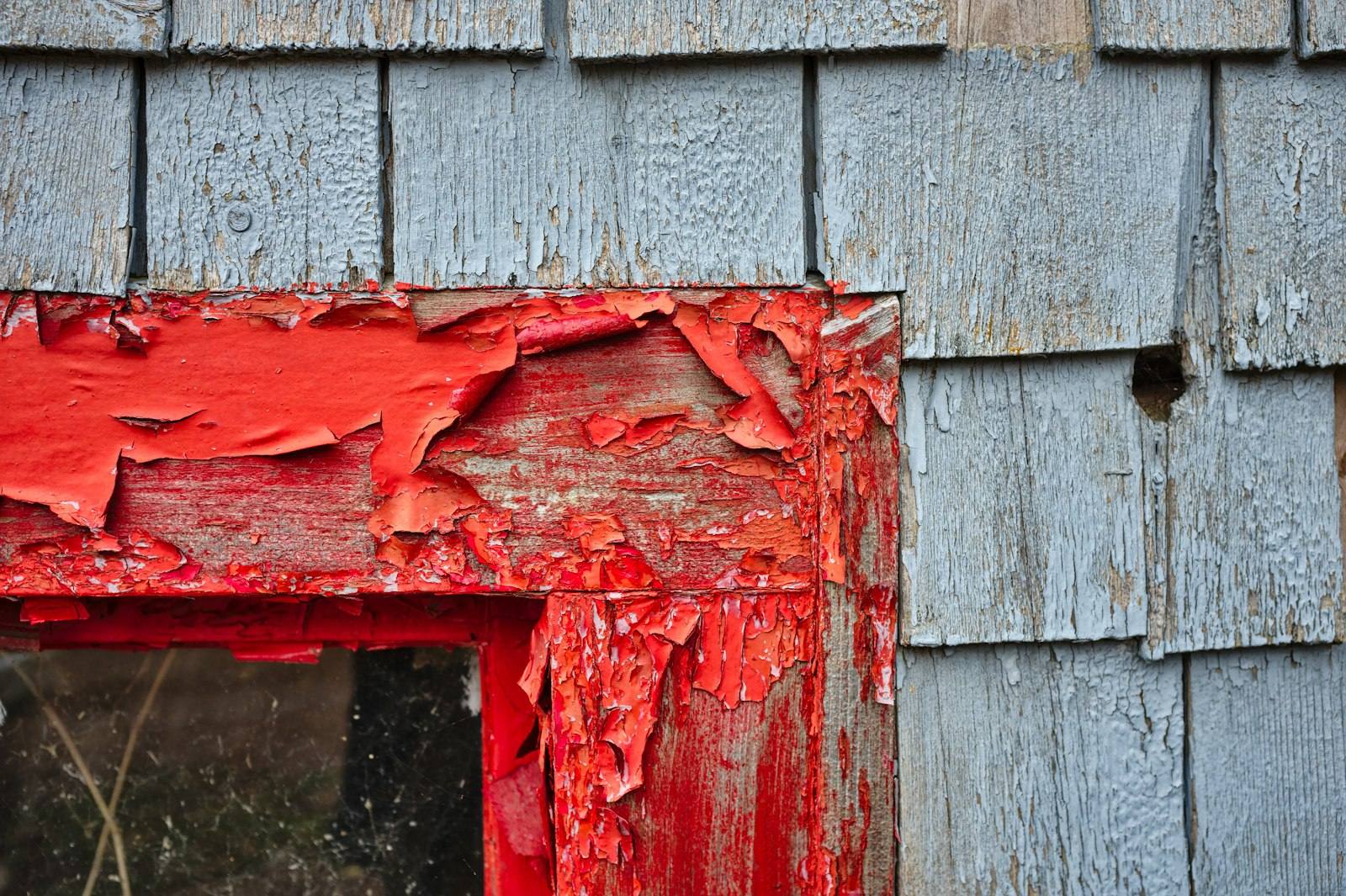
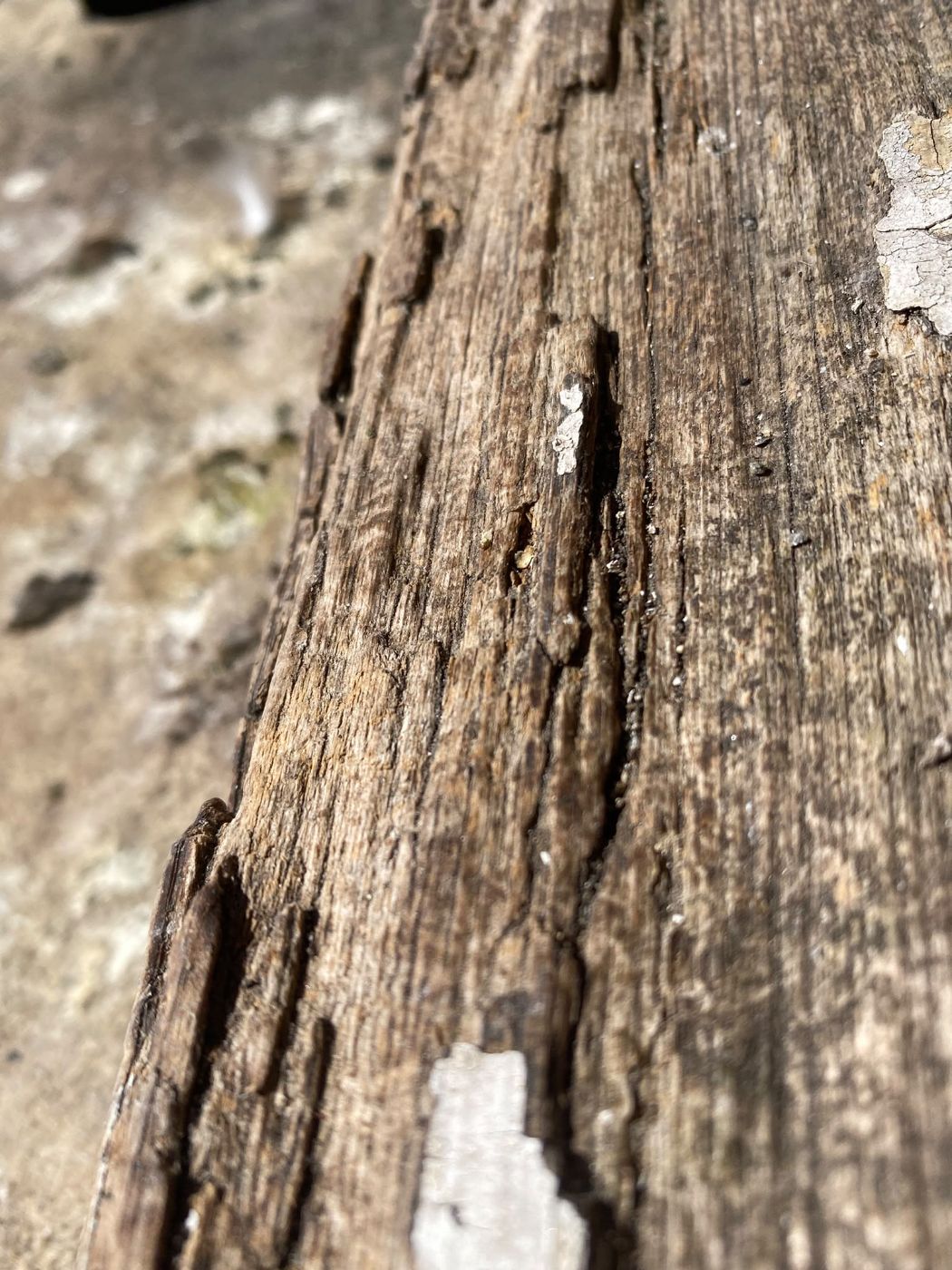
Old windows rot in the same places: bottom rails, sills and joints. With Repair Care, only the decayed timber is removed and the sound wood stays.
The opening is dried, primed with Dry Fix, then filled with Dry Flex and shaped to the original profile. Sanded and painted, the repair disappears.
Unlike rigid fillers, the resin stays flexible, so it moves with the timber through the seasons instead of cracking out.
The method
Four steps to a repair you cannot see.
Remove the rot
Only the decayed timber is cut out. Sound original wood stays.
Dry and prime
The opening is dried, then primed with Dry Fix so the resin bonds to the wood.
Fill and shape
Dry Flex resin is pressed in and shaped back to the original profile.
Sand and paint
Sanded smooth and painted. The repair disappears into the window.
Keeps the original
Less timber is removed, so more of the historic window survives.
Moves with the wood
Stays flexible, so it does not crack out as the timber moves.
Suits listed buildings
A repair rather than a replacement, which is what conservation work favours.
Quicker and tidier
Often less disruptive than taking a window apart for a full splice.
What Paul uses
The products
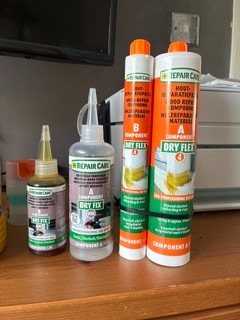
Repair Care makes products for repairing rotten wood. Both products come in two parts, mixed just before use, and are sold for professional use only.
Wood stabiliser
Dry Fix UNI
A universal wood stabiliser, brushed onto the cleaned-out wood first. It firms up the timber and primes it so the resin bonds to the window.
Wood repair compound
Dry Flex 4
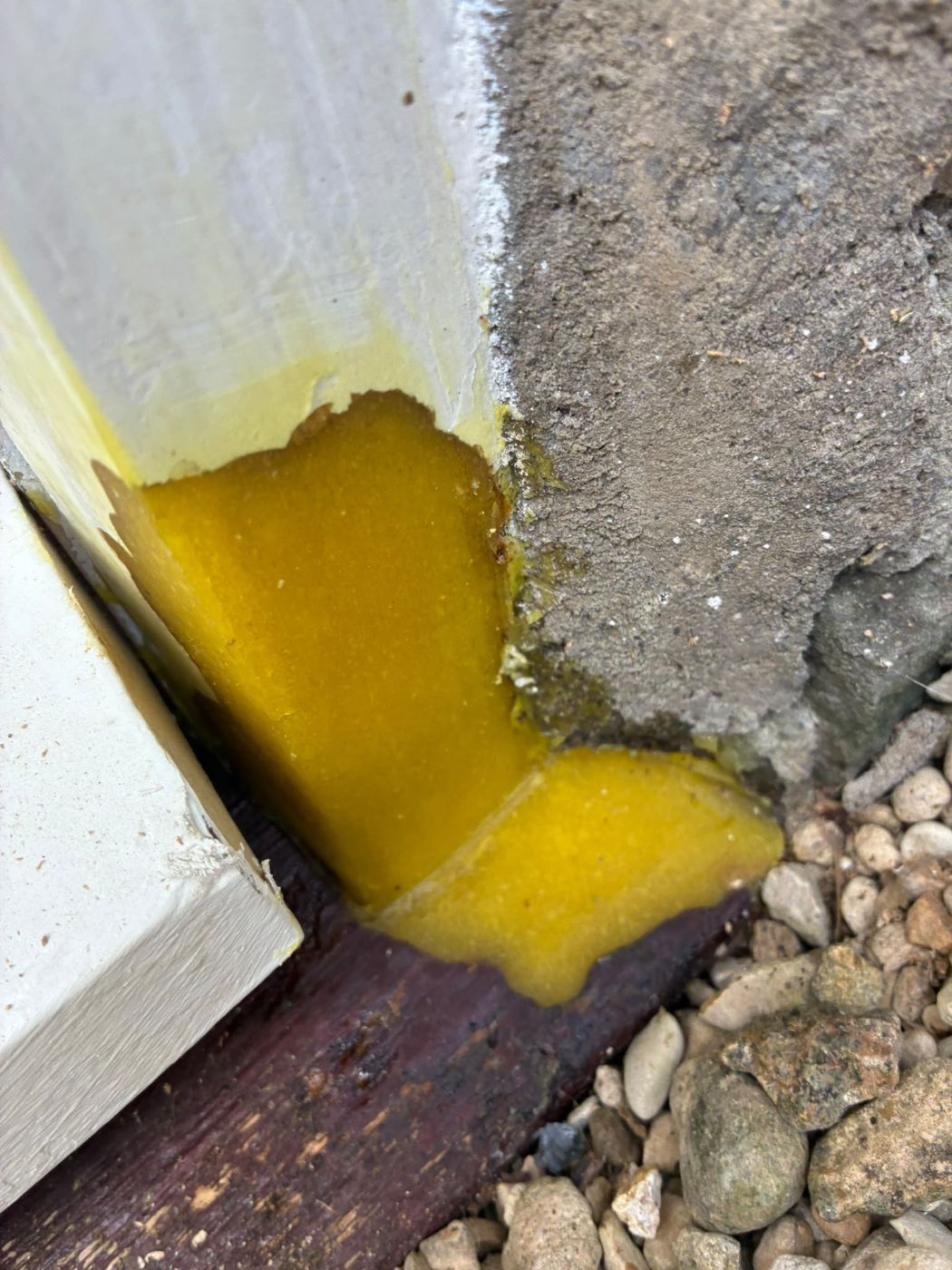
The filler itself. It is pressed into the repair, shaped to the window's profile and stays permanently flexible, so it moves with the timber. It cures in about four hours, ready for sanding and painting.
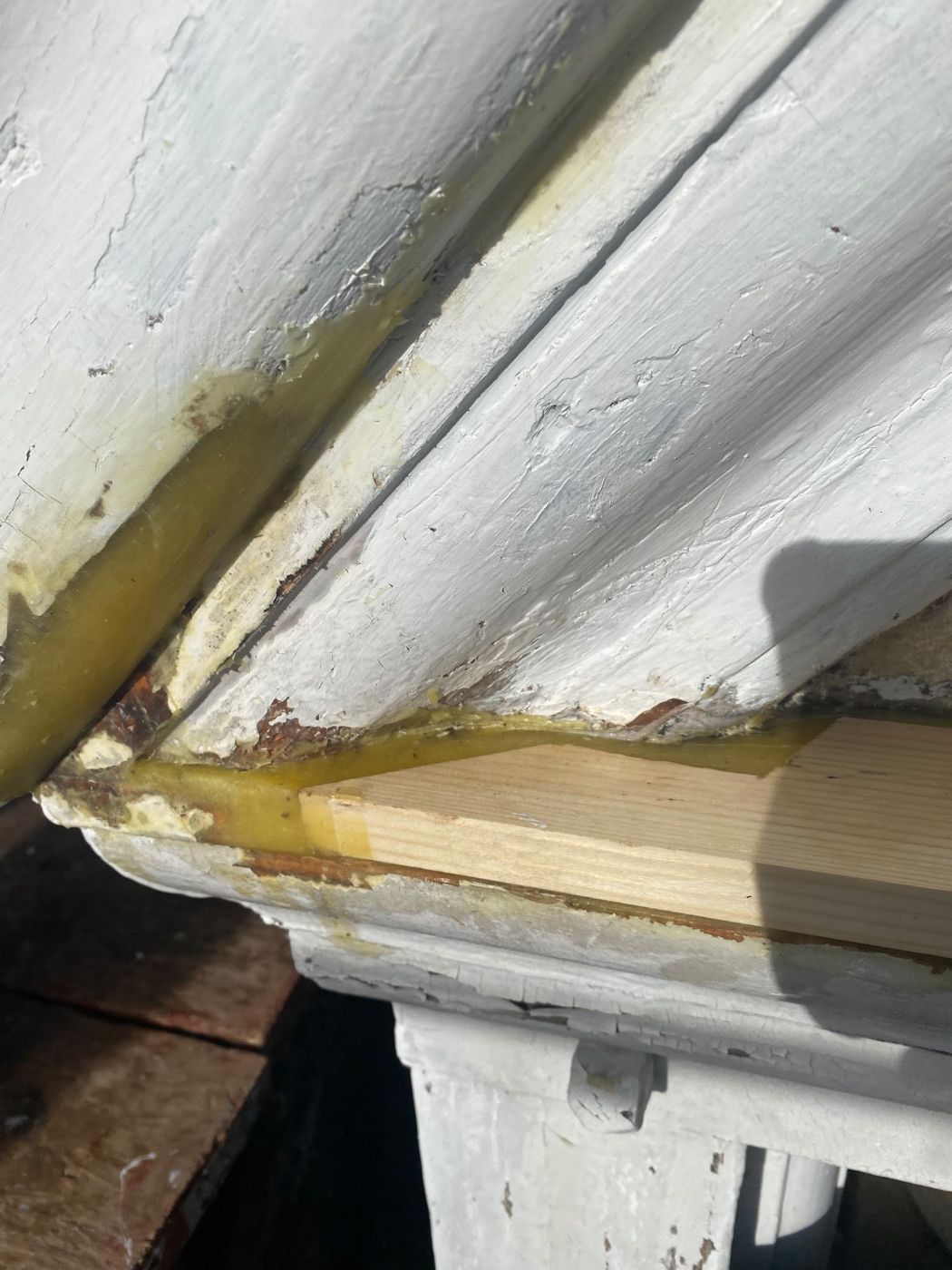
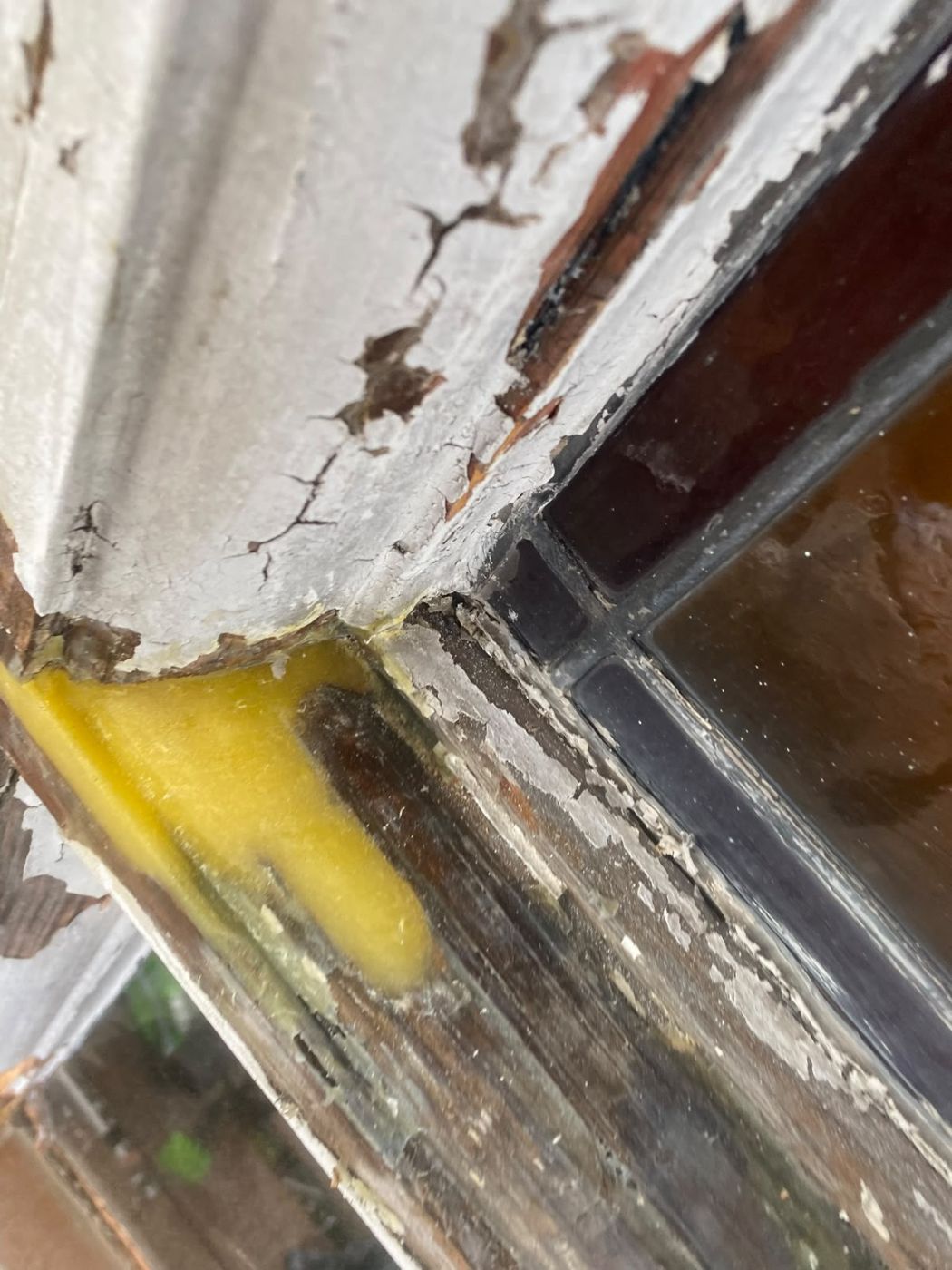
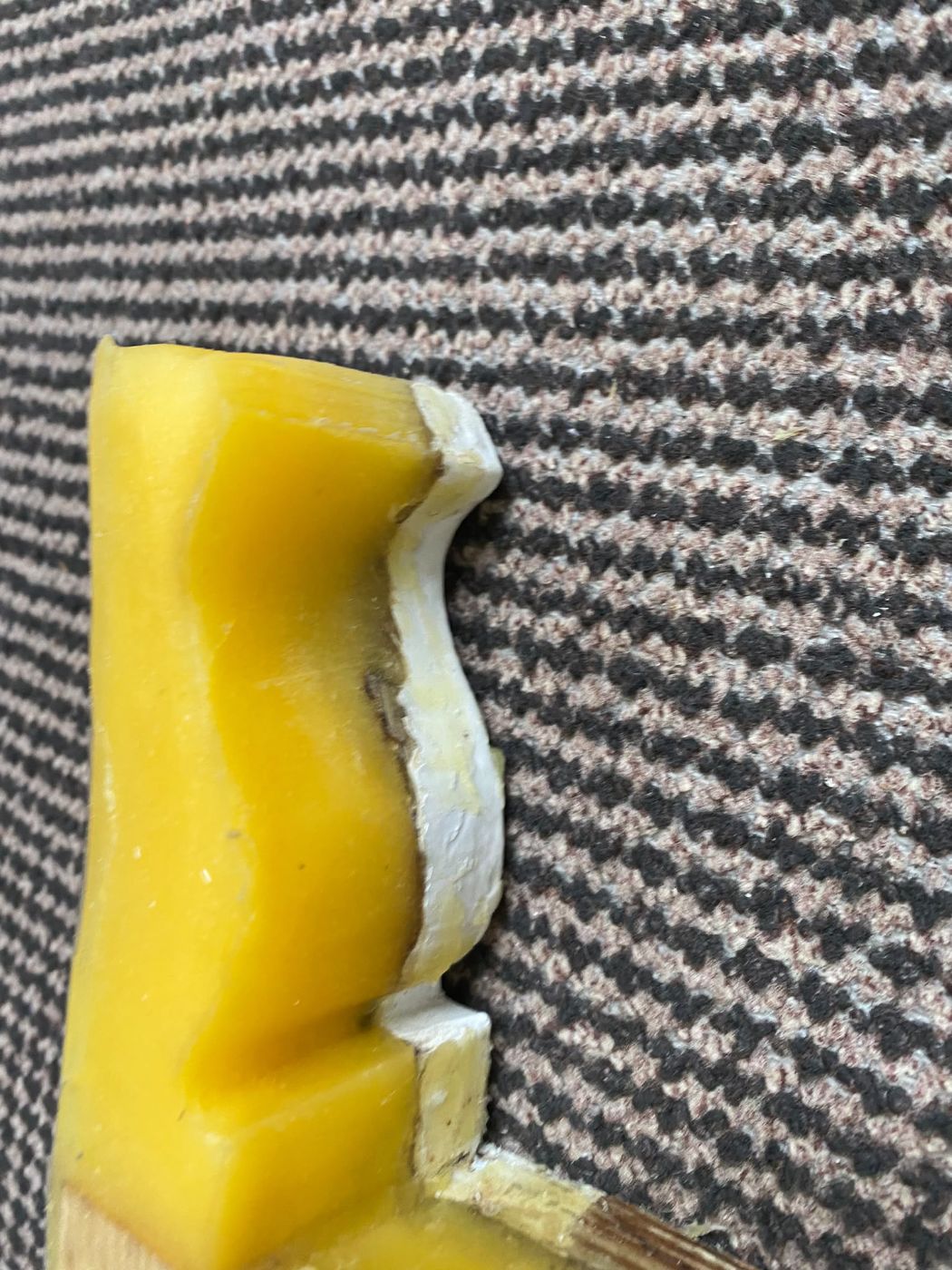
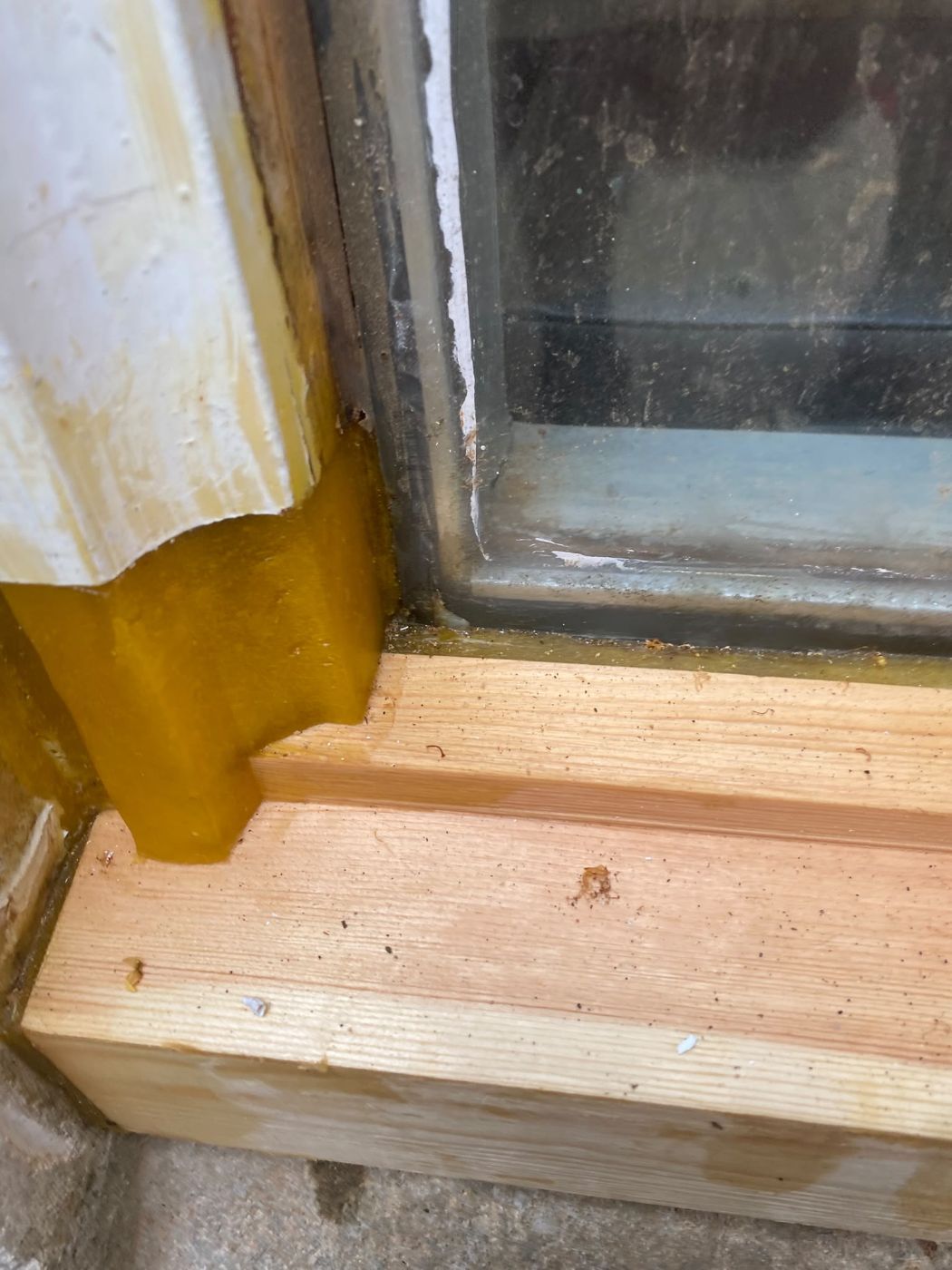
From Paul's jobs
Questions
Is a resin repair as good as new timber?
Where rot is local, yes, and more sound wood is kept. Where a whole section has gone, Paul splices in new timber or arranges a replacement.
Can it be used on a listed building?
It is widely used on historic and listed buildings because it repairs rather than replaces. Check with your conservation officer; Paul can advise.
Give your windows another hundred years.
Free survey and a written quote, window by window, anywhere in Bristol, Bath, Gloucester and Cheltenham. No pressure and no replacing what can be saved.